Tiny steps that really count; Sustainability at SEEC

At Sydney Early Education Centres, we are committed to adopting sustainable practices as part of our daily program. Sustainability education is shared across our whole community. Our goal is to empower our children, our team, and our families to understand the importance of caring for our planet.
Together we can be innovative, active, and work towards making a positive change for the future.
Sustainable development covers three areas: environmental, economic and social. All three areas can be applied to Early childhood education. Environmental simply means caring for and protecting our natural world, thereby preserving and improving our natural space. Economic sustainability can mean conserving resources, reducing waste and being mindful of consumption. And lastly, social sustainability is about being fair, peaceful, respectful and including all in our community.
Our Early Years Learning Framework (V2.0) acknowledges the interconnectedness between all three dimensions. It is also recognised that children already have a huge interest in their world and a capacity to learn and contribute to their future.
“By integrating simple, actionable sustainability practices—such as saving water, recycling, and caring for living creatures—into daily routines, preschool teachers can instil foundational habits that promote lifelong sustainable behaviours.’
Learning through everyday experiences
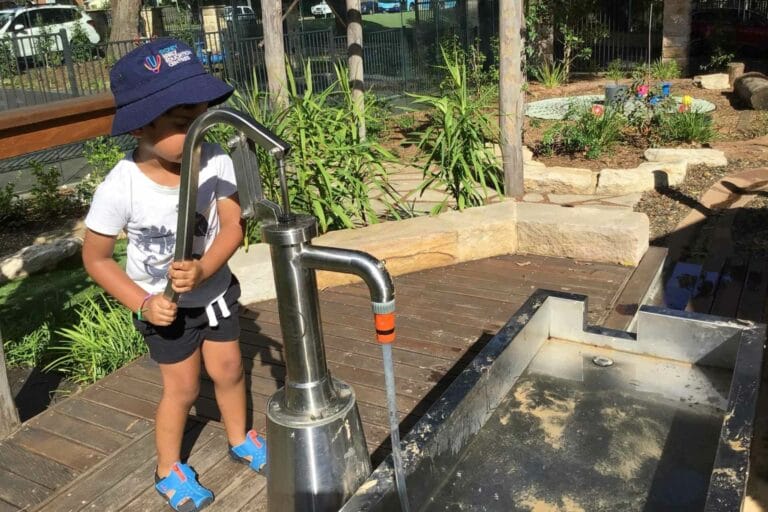
Children learn best through hands-on experiences, which is why sustainable practices are woven throughout our daily educational program. Whether tending to our garden, sorting recyclables, conserving water, reducing waste and reusing materials, children are encouraged to participate in meaningful activities that help them understand the impact of their actions. Experiences that support problem-solving skills and teamwork and promote responsibility and respect for living things.
Our Practices
In our centres, we implement a range of environmentally conscious practices including:
- Recycling paper, cardboard, plastics and green waste.
- Reusing resources for art and construction projects
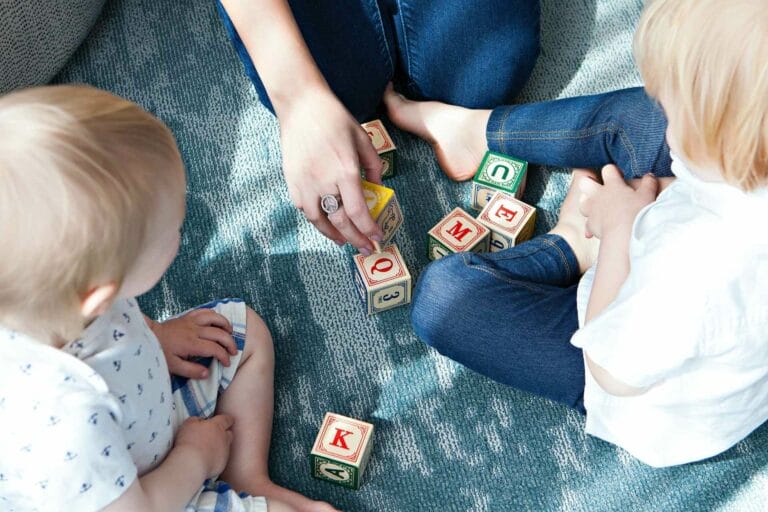
- Using natural and recycled materials in our learning environments
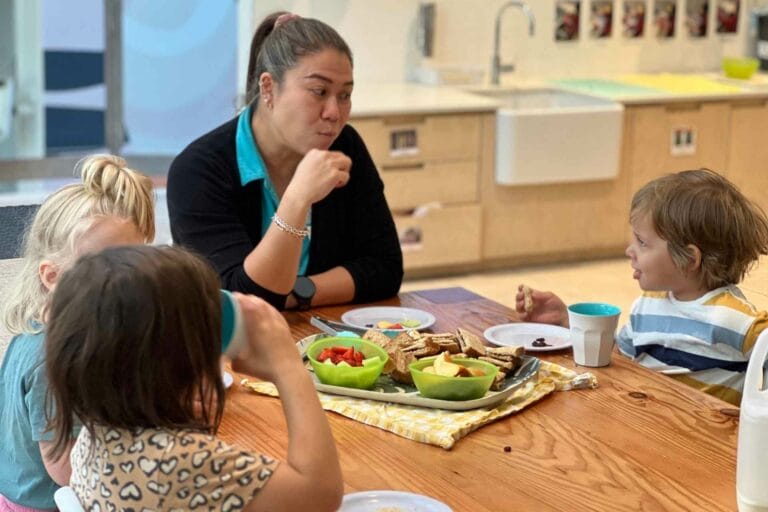
- Growing and harvesting our own vegetables for use in the kitchen
- Promoting use of cups for water or reusable water bottles
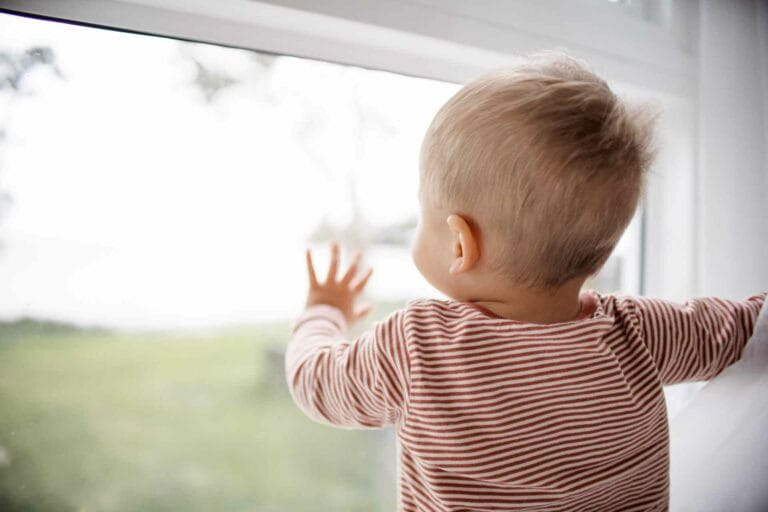
- Using natural light where practical through large windows and skylights
- Sensor taps that reduce water wastage and provide temperature control
All these practices provide valuable opportunities for our children to develop positive lifelong habits that support a sustainable future.
Connecting to Nature
Spending as much time outdoors is also important for children to develop a sense of connection and respect for the natural world. This may mean time in the garden, time with the chickens, and exploring different environmental projects using natural resources that may be as simple as sticks, leaves, dirt, sand, or a walk.

It’s proven that regular engagement with nature supports children’s wellbeing and resilience and can build positive relationships with the great outdoors from a very early age.
“Teachers play a significant role in helping children develop an understanding of sustainability by modelling sustainable practices and encouraging inclusive learning environments. Through promoting respect for diversity, challenging stereotypes, and valuing multilingualism, educators can positively influence not only children but also their families and the wider community.’
Our Families
Of course, all educational practices at SEEC are most effective when educators, children and families all work together. We encourage families to share ideas, participate in sustainability initiatives and continue and promote responsible practices at home. It only takes small actions: recycling, conserving energy, reducing waste, reusing or rehoming toys and materials, and attending to the garden. This is all more meaningful when we work together.
The Future
At SEEC, we have an important role in helping children understand that their voices matter, and so do their actions. The smallest steps can make a positive difference to their environment and their community, now and into the future. Through everyday sustainable practices and intentional learning experiences, we nurture environmentally conscious learners who can value and care for their community and the environment.
Together we are helping to create a more sustainable future for all – tiny steps that really count!
References:
- Nurturing Sustainability in Toddlerhood: Investigating Preschool Teachers’ Views and Daily Practices in a Swedish Preschool Deniz Kahriman-Pamuk, Ingrid Pramling Samuelsson (2024)
- Australian Government Department of Education. (2022). Belonging, being and becoming: The Early Years Learning Framework for Australia (Version 2.0).

Written By
Karen, CEEC Magnolia House’s Early Childhood Teacher